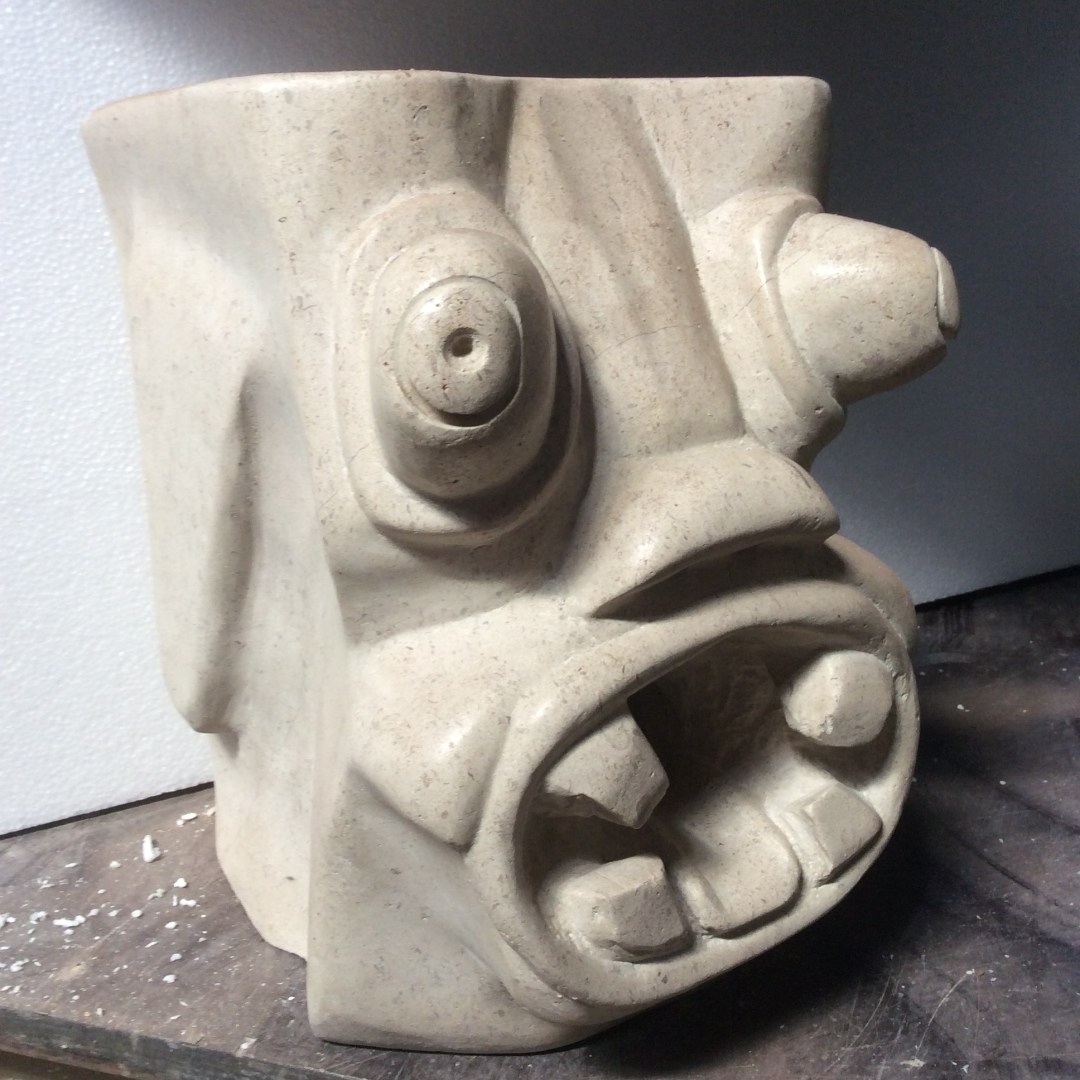
By Rob MacDonald
The oldest known traditional sculpture, the “Woman from Willendorf,” is estimated to be around 29,500 years old. This figurine, along with many others from that era, reflects an early human fascination with depicting the human form. While its exact cultural significance remains unclear, some speculate that these sculptures may have represented fertility goddesses or even served as self-portraits by women. What is certain is that these figures were intentionally created, marking a crucial stage in human evolution and our use of symbolism. Whether they symbolise early feminism, sexuality, or were simply a popular trend of pleasure that went viral, these sculptures underscore our innate desire to represent ourselves and our society through art.
Art historians and paleoanthropologists, both past and present, wade in with their own theories. This is a good thing; such debates are as important as the figurines themselves. We need to understand the meanings of all the sculptures humans have created, from the idealised Greek gods to the stoic figures of Easter Island.
What is beyond doubt is that all these sculptures had a purpose and a political perspective of the social strata they represented whether they be the statues of the power of the slave traders or a pile of stones piled silently on top of a mountain. Their job is to symbolise a meaning of what humanity is, was, what it can be and of course what it cannot be.. Its energy for the actor is to be a kinda of god that brings something to life. Sculptures’ power can be of one moment or deep reflection long after the events they represent have gone.
While sculpture can be crafted from a variety of materials, stone endures, and humans have always understood this. From Göbekli Tepe to cave dwellings dating back at least 50,000 years, where symbolic painters and decorators once worked on their canvases, stone has played a central role in human history. The “Stone Age” spans nearly all of human existence, and the advent of stone tools marked a pivotal moment in our development. Simply put, human civilization can be encapsulated from the moment we thought “pick up that stone”.. Stone is the embodiment of Mother Earth, a symbol of our origins and ultimate return—dust to dust etc. A sculpture created directly from a block of stone, by hand, is an acute human sensation.
I’ve pieced together some thoughts on the history and material used to make sculptures to emphasise the importance and the power of making sculpture. It represents an act—whether scratching an image of a penis on a wall or crafting a grand representation of a deity to bolster our courage. We’ve always done it, and we always will. I would even go so far as to say we need to do it. Being alive is a strange experience, and creating symbols seems to be a crucial way to understand our consciousness.
So, with all this in mind, why aren’t you doing it? Why aren’t most of us spending Saturday nights vegging out finishing our figurines? Instead we plug into a series on Netflix. Believe me if you want to escape a few hours…. being intense working with a little rock will numb you into tranquillity, the plots will unfold and the final act very rewarding and always with a plot twister, its pattern and true colour are never known until the final polish. So why has sculpture become so distant from our daily lives? Why aren’t we moving monuments into our public squares together like they did on Easter Island? Why is something so symbolically powerful not a common activity?
My argument is you can, we can. You can have some control over this power. You might have to take it! There would be a big social pay back if every so often we all tried to make a little figurine, even more so if we decided what the message in the town square was about. There is a barrier of space and access for most ordinary people to access stone sculpture. Solidarity Park monument that I built with participation principals tries to release some of this collective power. I hope in the future to offer workshops to allow people more access.
So we have to fight for access to this powerful art form but you do not have wait for a revolution. Start to play with your consciousness by making something symbolic, not necessarily focused on an aim, but focused on itching the scratch, allowing the symbolic to emerge. It’s worth it and whether you are of religion or not you will understand the role of a god, that is to be the creator not the created. It not hippy dippy shit, This is the power of sculpture and its your human heritage to do it, your human right, exercise it. You might find its a little bit of what is missing in your modern life. Once you taste it you won’t want to stop.


 Outa-Space